Glider is pleased to announce a new partnership with Virtual Helpdesk (VHD), bringing together their approach to asset information governance with VHD’s facilities and compliance management platform. Glider explains what the announcement could mean and why the partnership could be more significant than a typical industry collaboration.
Why building information breaks down after handover
Most buildings start with good information. Somewhere along the way, that information stops being trustworthy.
It gets lost when a project hands over and nobody quite knows where it went. It fragments as contractors change, assets get replaced and updates happen in a dozen different places instead of one. Sometimes it was never captured properly in the first place. And sometimes it’s all there, buried in a shared drive nobody has time to search properly.
The result is familiar to most estates teams. You can’t always find what you need, you’re not sure you can trust it once you do, and that makes it hard to act with confidence, whether that’s proving compliance, planning maintenance or making a capital decision.
What Asset Intelligence actually means
Asset Intelligence is the discipline that ensures the people responsible for buildings can find, trust and act on the information they need to keep them safe, compliant and performing.
It’s not a piece of software. It’s a practice, one that runs across the whole life of a building, from design and construction right through to disposal, decades later. Most of that life is spent in operation. That’s the part this partnership is aimed at.
What Virtual Helpdesk brings to the partnership
Glider’s side of this is governance, making sure there’s a single, structured, validated record of a building’s assets that holds up over time.
VHD’s side is the day-to-day reality of running an estate. Their CAFM platform tracks statutory inspections, manages contractor compliance and keeps a clear, auditable Golden Thread of information across every building and asset it covers.
Take a statutory inspection as an example. Today, the certificate might land in an inbox, get filed against the wrong asset, or simply not get linked back to the building’s record at all. Under this partnership, that inspection data flows from VHD’s platform into Glider’s governed record automatically, attached to the right asset, so the record reflects what’s actually happened on site.
We’re also exploring deeper technical integration between the two platforms, so VHD’s day-to-day work updates Glider’s governed record as a matter of course, rather than the two systems drifting apart over time.
What this means if you’re managing an estate
Put simply, the information behind your compliance, your maintenance planning and your investment decisions should get more reliable, not less, the longer you operate a building. That’s a shift from how most estates currently work, where information is usually most trustworthy on day one and gets shakier from there.
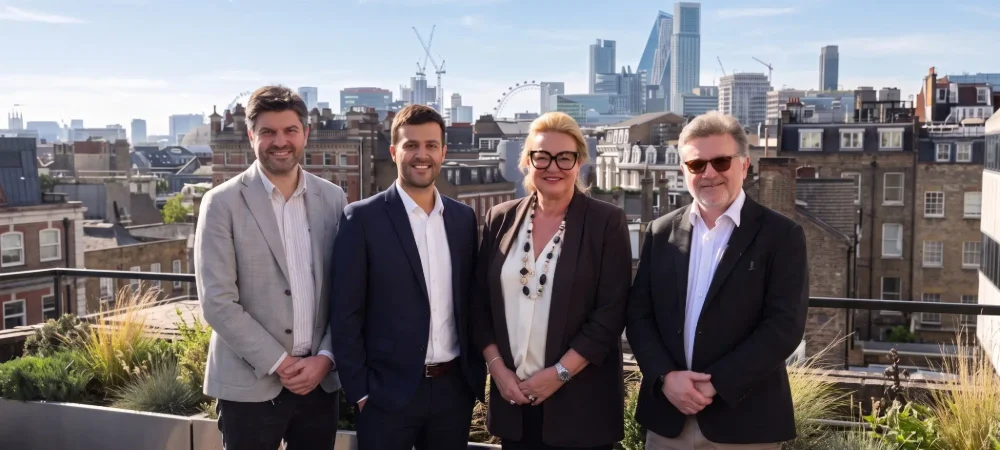
“Most organisations only really think about their building information at two points, when it’s built and when something’s gone wrong. Everything in between gets left to chance. Partnering with VHD means the people running a building day to day are working from information they can trust, not just when it’s handed over, but for as long as it’s in use,” said Nick Hutchinson, Founder and Managing Partner, Glider.
What’s next?
This partnership is still in its early stages. We’ll share more as the technical integration between the two platforms develops, including what it means in practice for shared customers.